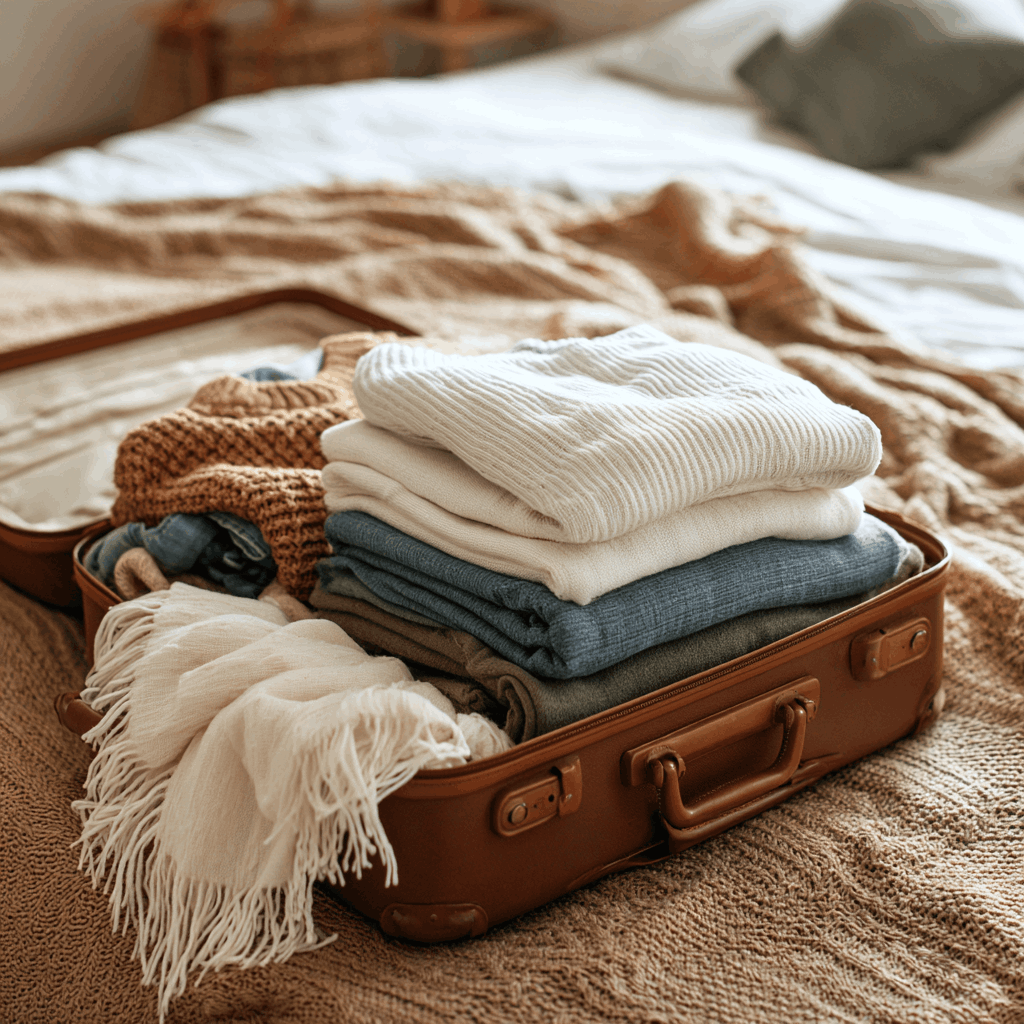
Weight limits and how to stay under them
Most airlines set a clear limit for cabin bags and a higher one for checked luggage. The exact numbers vary by ticket type, so check the allowance before you start packing. A common cabin limit sits around seven to ten kilograms. Checked bags often allow twenty to twenty-three kilograms on standard fares.
Weigh the empty bag first. Then add items and weigh again. If you are close to the limit, remove something non-essential rather than hoping the scale at the airport is generous. Remember that duty-free purchases and items bought on the way also count once you reach the gate.
Packing lists by trip type
For a short city break of three or four days, one pair of comfortable shoes, two or three tops, a single pair of trousers or a skirt, and a light layer usually cover the basics. Add underwear and socks for each day plus one spare. A compact toiletry kit and phone charger complete the core.
Longer trips need more careful rotation. Choose clothes that mix and match so fewer pieces create more outfits. Neutral colours help. For warmer destinations, light fabrics and a sun hat matter more than volume. For colder places, layers work better than one bulky coat. Always include a small day bag that folds flat when not in use.
Simple methods to keep bags organised and light
Roll soft clothes instead of folding them. They take less space and crease less in many cases. Place heavier items near the bottom or against the back of the bag so the weight sits closer to your body when you carry it. Use packing cubes or simple zip bags to separate clean clothes, worn clothes and electronics. They make it easier to find things without emptying the whole suitcase.
Put liquids in a clear pouch that meets cabin rules if you are keeping the bag with you. Fill any small gaps with socks or underwear rather than adding new items. Leave a little empty space for souvenirs or simply for easier closing.
A few practical notes
Wear the bulkiest shoes and jacket on the travel day. That single habit often saves enough weight and space to stay under the limit. Make a short list the night before and stick to it. Last-minute additions are the usual reason bags become heavier than planned.
If you are moving between different climates, pack the lightest possible option for each condition rather than preparing for every extreme. Most destinations allow you to buy a missing basic if needed. Efficient packing is less about clever gadgets and more about deciding what you will actually use. Check the weight limits first, match the list to the length and purpose of the trip, and keep the bag organised with simple separations. That approach leaves you with a lighter load and more energy once you arrive.